What is a prototype and why do you always have to make them?

What is a prototype?
A prototype is an early model of a product, handmade or through rapid prototyping, with which the forces occurring, the functioning or fit of parts are tested and production is prepared. Having a prototype made can have many advantages and is also very instructive.
Prototype
How can you make a prototype?

rapid prototyping is a collective name for various techniques that make it possible to quickly (English: rapid) to produce physical prototypes.

Rapid prototyping is based on computer information obtained through the CAD process, which is translated into a physical product. This conversion takes place in various ways. Depending on the type of translation, the following subdivision is possible:

  • Stereolithography (SLA or STL): Uses a laser or other (UV-rich) light sources to polymerize liquid resins.
  • fused deposition modeling (FDM): building up the physical model layer by layer, with plastic coming from a nozzle. Most commercially available 3D printers for home users are of this type.
  • laminated object modeling (LOM): Physical cross-sections of paper or plastic are made of the virtual model. These are then glued together. The final product resembles wood.
  • Selective laser sintering (SLS) or laser engineered net shaping: a laser melts, based on the cross-section of the virtual model, metal powder. In this way, the entire model is built up layer by layer.
  • CNC: Where the techniques mentioned above are so-called (CNC based) additive processes, in typical CNC use, material is actually removed by milling/drilling/grinding/cutting, making this a subtractive process

The first rapid prototypingtechniques were widely adopted in the 1980s with the advent of powerful computers. Whereas in the past the use of rapid prototyping was only applied to the manufacture of the first model, now it is rapid prototypingprocess also produced small series.

Why make a prototype?

rapid prototyping is a collective name for various techniques that make it possible to quickly (English: rapid) to produce physical prototypes.

Rapid prototyping is based on computer information obtained through the CAD process, which is translated into a physical product. This conversion takes place in various ways. Depending on the type of translation, the following subdivision is possible:

  • Stereolithography (SLA or STL): Uses a laser or other (UV-rich) light sources to polymerize liquid resins.
  • fused deposition modeling (FDM): building up the physical model layer by layer, with plastic coming from a nozzle. Most commercially available 3D printers for home users are of this type.
  • laminated object modeling (LOM): Physical cross-sections of paper or plastic are made of the virtual model. These are then glued together. The final product resembles wood.
  • Selective laser sintering (SLS) or laser engineered net shaping: a laser melts, based on the cross-section of the virtual model, metal powder. In this way, the entire model is built up layer by layer.
  • CNC: Where the techniques mentioned above are so-called (CNC based) additive processes, in typical CNC use, material is actually removed by milling/drilling/grinding/cutting, making this a subtractive process

The first rapid prototypingtechniques were widely adopted in the 1980s with the advent of powerful computers. Whereas in the past the use of rapid prototyping was only applied to the manufacture of the first model, now it is rapid prototypingprocess also produced small series.

What does a prototype look like?
What can we do for
mean to you?
R2PRO has its own Rapid prototyping machines, suppliers and the knowledge to quickly make a prototype. Do you have an innovative new idea? Or are you just running into a problem? Challenge us! Contact us quickly to see what we can do for you!
Operations@r2pro.nl
+31(0)85 06 06 227
Say Hello

    • Doc classic pro 1
      In Design/ Electrical/ Mechanical/ Style
      Doc Classic Pro
    • Passio S 2 1
      In Design/ Electrical/ Mechanical/ Style
      Passion Solo
    • Doc ONE zonder schaduw3
      In Design/ Electrical/ Mechanical/ Style
      Doc One
    • photonics
      In Design/ Mechanical/ New
      Comet sensor holder
    • Bcon LTU
      In Design/ Electrical/ Mechanical/ Style
      Bcon LTU
    • Legato
      In Design/ Style
      Passio Legato
    • Neo
      In Design/ Electrical/ Mechanical/ Style
      Doc Neo
    • MMC
      In Design/ Mechanical/ Style
      Habru MMC
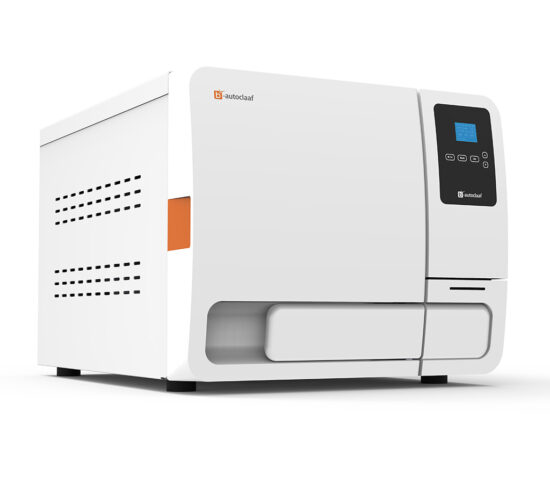
    • B autoclaaf premium
      In Design/ Style
      B-autoclaaf Premium
    • Behandelunit1
      In Design/ Style
      Meditop KNO behandelunit
    • Compounder tegel
      In Architecture/ Design/ Electrical/ Mechanical/ Style
      The Compounder
    • Heyeway2
      In Design/ Electrical/ Mechanical
      hEyeway
    • Easyscan 3
      In Design/ Electrical/ Mechanical/ New
      easy scan
    • Daily one 2
      In Design/ Electrical/ Mechanical/ New/ Style
      Daily one
    • NINE1
      In Design/ Electrical/ Mechanical/ Style
      nine
    • B autoclaaf UI
      In Design
      B-autoclaaf Premium UI
    • Passio M2
      In Design/ Electrical/ Mechanical/ Style
      Passio Maestro
    • Running blind co runner
      In Design/ Mechanical/ New
      co runner
    • Running blind2
      In Design/ Electrical/ Mechanical/ New
      running aid
    • Luvius 1
      In Design/ Electrical/ Mechanical/ Style
      Luvius
    en_USEnglish